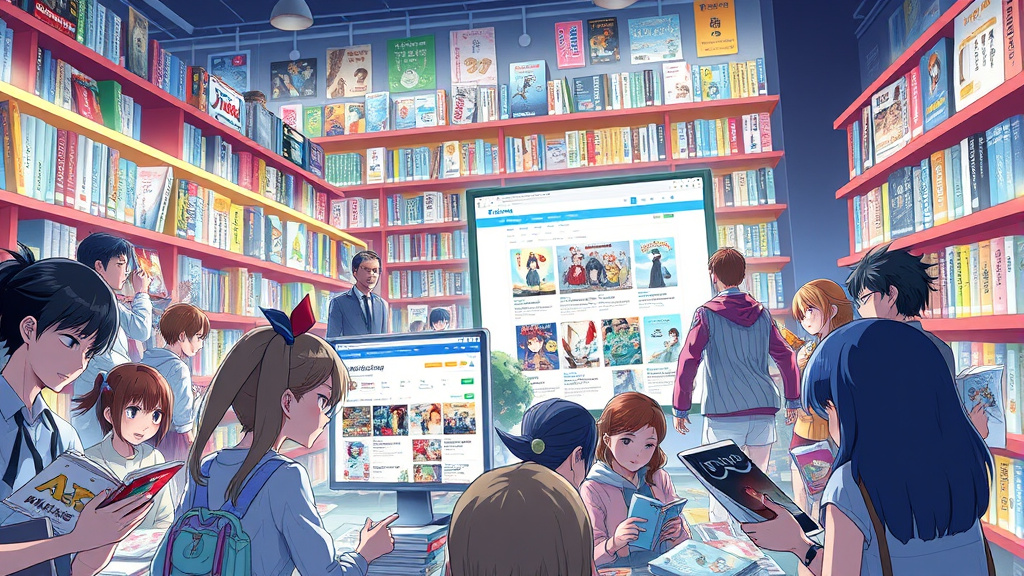
manhwa comics have rapidly become a significant force in the world of graphic storytelling, capturing audiences worldwide with their unique art styles, compelling narratives, and innovative distribution methods. As Korean comics, manhwa has moved beyond its traditional roots to influence cultural perceptions and entertainment platforms globally. This transformative journey highlights not just the artistic evolution but also the cultural exchange, technological advancements, and genre diversification that have propelled manhwa into international stardom.
In this comprehensive exploration, we will delve into the rise of manhwa, compare it with its Japanese counterpart manga, and guide new readers through the essentials of accessing and enjoying these captivating stories. We’ll highlight the top series, explore diverse genres, and analyze how digital platforms and adaptations continue to shape its influence, emphasizing how manhwa comics are redefining the landscape of modern comics and entertainment.
The Rise of Manhwa: Exploring the Global Popularity of Korean Comics
The ascent of manhwa comics has been nothing short of extraordinary. Initially rooted in Korea as a domestic phenomenon, manhwa's universal themes, compelling character development, and innovative layouts began to resonate beyond borders, fueled largely by the rise of webtoons—digital comics optimized for smartphones and tablets. The accessibility and ease of online reading allowed creators to reach audiences instantaneously, bypassing traditional barriers that limited the print market in many countries.
Furthermore, the Korean Wave (Hallyu) has played a pivotal role in popularizing Korean culture globally, creating fertile ground for manhwa to flourish. As global audiences became more receptive to Korean music, dramas, and cuisine, manhwa comics naturally followed suit, with platforms like LINE Webtoon, Lezhin, and Tapas serving as gateways for millions of new readers. The storytelling quality and visual appeal of manhwa, combined with the innovation in digital dissemination, have enabled it to thrive in the saturated world of comics, positioning manhwa as a major player on the international stage. This rise exemplifies how cultural products evolve and adapt, crossing language and cultural barriers, to carve out global communities rooted in shared love for storytelling.
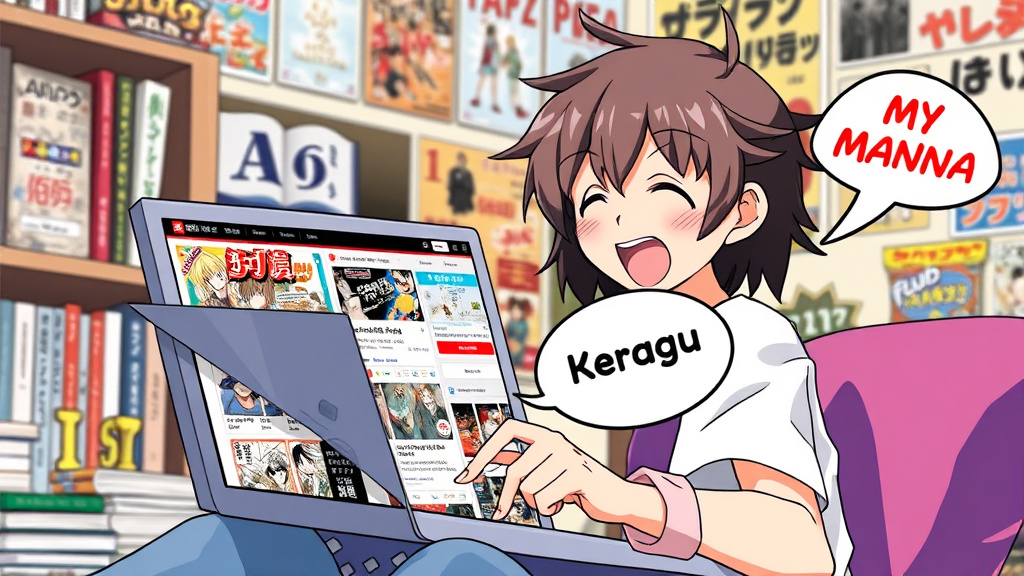 Hình minh họa: hot anime manga – manhwa comics
Manhwa vs. Manga: Key Differences in Art Style, Storytelling, and Format
While manhwa comics and manga share similarities as Asian comics, they are distinct in their artistic conventions, narrative pacing, and publication formats. One noticeable difference lies in art style: manhwa typically features cleaner, more modern digital art with a tendency toward realism and detailed backgrounds, often using bright colors and shading effects suited for webtoon platforms. Manga, on the other hand, often employs a more monochrome palette, with expressive line work that emphasizes emotion over realism.
In terms of storytelling and pacing, manhwa employs a right-to-left reading format similar to manga but often incorporates scrolling pages designed specifically for digital formats—especially webtoons—making for a seamless, vertical reading experience. Manga traditionally appears in printed volumes and serial magazines, with chapter releases scheduled monthly or weekly. The narrative approach also differs; manhwa tends to focus on character development and contemporary themes, making it more accessible and relatable to global webtoon audiences, whereas manga encompasses a broader range of genres, from historical to supernatural, with Cultural nuances tied to Japanese traditions. These differences highlight how each medium reflects its cultural origin while adapting to the digital age in unique ways.
A Beginner's Guide to Reading Manhwa: Terminology, Platforms, and Genres
Starting with manhwa comics can seem overwhelming due to unique terminology and the plethora of available platforms, but understanding the basics can enrich the reading experience. Key terms include "webtoon", referring to digital comics specifically designed for smartphone reading, and "manhwa", which is the Korean term for these comics. Platforms like LINE Webtoon, Lezhin, Tappytoon, and Tapas are popular hubs where enthusiasts can find a wide variety of series across genres, many of which offer free chapters with optional paid perks or ad-free subscriptions.
For newcomers, it’s essential to explore genres that appeal to their tastes—romance, fantasy, action, horror, or slice of life—each offering diverse storytelling styles and themes. Manhwa often utilizes shorter episodes or chapters, making it easier to engage in short reading sessions, which helps build familiarity and enjoyment over time. Many series also incorporate unique terminology related to Korean culture, such as "Aeguk" or "Chuseok", enriching the reader’s cultural understanding. By diving into platforms that curate quality content and genre-specific collections, beginners can gradually discover their favorites and become immersed in the vibrant world of manhwa comics.
Top 10 Must-Read Manhwa Series for New Readers
For newcomers venturing into the vibrant universe of manhwa comics, certain titles stand out as must-reads for their storytelling prowess, artistic excellence, and cultural significance. "Solo Leveling" offers a thrilling take on the action-fantasy genre, depicting a weak hunter ascending to unparalleled power—a compelling narrative that blends character growth with stunning visuals. "Tower of God" is an engaging adventure series with complex world-building, appealing to fans of mystery and fantasy.
Another essential read is "Noblesse," a vampire story blending supernatural elements with high school drama, ideal for those seeking a mix of action and comedy. "The God of High School" showcases intense martial arts battles peppered with mythological lore and modern themes. Fans of romance might gravitate toward "The Bride of the Water God", which explores divine relationships against a backdrop rich in Korean mythology. These series exemplify the creative versatility within manhwa comics and serve as accessible entry points for new readers eager to experience the diversity of stories and visual styles that define this medium.
Beyond Romance: Exploring the Diverse Genres of Manhwa Comics
Although many associate manhwa with romance and school-life stories, the genre spectrum is remarkably broad and continuously expanding. Action and fantasy manhwa dominate the scene, with titles like "The Gamer" and "Dият," showcasing stories of supernatural powers, game worlds, and epic battles. Horror-themed manhwa, such as "Bastard", brings psychological tension and suspense, demonstrating manhwa's capacity to delve into gritty, intense narratives that challenge conventions.
Additionally, slice-of-life and comedy series like "Lookism" explore societal issues and body image in relatable scenarios, often blending humor with thought-provoking themes. Historical and political dramas such as "Kingdom" shine a spotlight on Korea’s ancient past, presenting epic battles and cultural narratives that resonate beyond entertainment. This diversity reflects manhwa’s versatility as an art form, capable of addressing societal issues, exploring complex human emotions, and immersing readers in fantastical worlds—all within a single comic medium, thus broadening its appeal across different demographics and interests.
The Influence of Webtoons on the Contemporary Manhwa Landscape
Webtoons have revolutionized the way manhwa comics are created, consumed, and conceptualized. Designed for easy scrolling and mobile access, webtoons foster a more interactive and visually engaging experience compared to traditional print formats. Platforms like LINE Webtoon have democratized content creation, enabling independent artists and small studios to compete with larger publishers and reach global audiences directly.
This shift also promotes innovative storytelling techniques, as creators leverage multimedia elements like sound effects, animations, and interactive features to enhance immersion. Moreover, the webtoon environment fosters tighter community engagement—fan translations, comment sections, and social media sharing generate instant feedback loops that influence ongoing story development. Webtoons have thus not only expanded the reach of manhwa comics but also redefined the artistic and narrative boundaries of digital comics, making manhwa more dynamic, accessible, and culturally rich than ever before.
Manhwa Artists to Watch: Emerging Talents Shaping the Future of Korean Comics
As the manhwa industry evolves, emerging artists are driving fresh narratives and visual styles that challenge conventions. Young talents from Korea and abroad are experimenting with themes, genre mashups, and digital art techniques, bringing new perspectives into the medium. Artists like Kang Full gained recognition for their socially conscious storytelling and expressive art, inspiring a new generation of creators.
Platforms like Webtoons and Tapas have lowered barriers for aspiring artists, providing opportunities for debut series that quickly garner international attention. This democratization sparks innovation; storytelling becomes more diverse as artists push traditional boundaries, explore underrepresented themes, and incorporate contemporary cultural movements. These emerging talents are not only shaping the aesthetic evolution of manhwa but also ensuring its continued relevance and vitality, reflecting the dynamic, globalized, and inclusive nature of modern digital comics.
The Cultural Impact of Manhwa: Reflecting Korean Society and Values
Manhwa comics serve as a cultural mirror, reflecting Korean society’s evolving values, historical narratives, and social issues. Many series incorporate elements of Korean history, mythology, and social norms, subtly or overtly commenting on contemporary challenges such as social inequality, education pressures, and gender dynamics. For example, series like "Lookism" explore societal standards of beauty and body image, resonating with global conversations about identity and self-acceptance.
Beyond mere entertainment, manhwa fosters cultural diplomacy—introducing Korean traditions, language, and philosophies to international audiences. The detailed portrayal of Korean etiquette, festivals, and historical figures not only educates but also fosters appreciation and understanding of Korean heritage. As manhwa gains international popularity, it becomes an informal ambassador of Korean culture, influencing perceptions, igniting curiosity, and contributing to a broader appreciation of Korea’s rich cultural landscape.
From Print to Digital: The Evolution of Manhwa Distribution and Accessibility
Historically, manhwa was confined to print magazines and comic books, limiting its accessibility primarily to Korean readers and collectors. However, with the advent of digital technology and webtoons, manhwa has undergone a transformative shift toward instant global access. Platforms such as LINE Webtoon, Lezhin, and Tappytoon now host thousands of series, allowing readers worldwide to explore Korean comics instantly on their devices—often for free or through affordable subscriptions.
This digital revolution has democratized publishing, enabling independent creators to publish their works without traditional gatekeepers and to build international fanbases rapidly. Accessibility is further enhanced by translations, fan communities, and localized platforms catering to diverse language audiences. As a result, manhwa has become a truly global phenomenon, breaking down cultural barriers and fostering cross-cultural storytelling in ways that were unthinkable before the era of webtoons.
Manhwa Adaptations: Examining the Success of Korean Comics on Screen
The popularity of manhwa has extended beyond pages into mainstream media, with numerous adaptations into anime, dramas, movies, and games. Titles like "Solo Leveling" and "Cheese in the Trap" have successfully transitioned into live-action formats, drawing massive audiences and illustrating the storytelling potential inherent in manhwa comics. These adaptations often amplify the existing fanbase, bringing renewed attention to the original series and even boosting sales of print and digital editions.
The cross-media success also signals a shift in how stories are told and consumed, with visual and narrative elements optimized for different formats. However, adaptations sometimes face criticism regarding faithful translation of characters and plot details, illustrating the challenges of translating static art and serialized storytelling into dynamic visual productions. Despite these hurdles, the ongoing success of manhwa adaptations highlights their cultural significance and confirms their position as a major influence on the global entertainment landscape.
Conclusion
The meteoric rise of manhwa comics, driven by innovative digital platforms, a diverse array of genres, and cultural storytelling, has redefined the landscape of global comics and web entertainment. With its distinctive art style, engaging narratives, and adaptable formats, manhwa has gained an international following that continues to grow, exemplified by its influence on media, pop culture, and social discourse. As new talents emerge, and technological advances foster even greater accessibility and creativity, manhwa is positioned to flourish further, serving as both a mirror and a vehicle for Korean cultural expression and global storytelling excellence.